This blog is part of a larger series called “Organizing 101: Outrage to Organizing”
Knowing Your Rights Matters Now More Than Ever
Protests and demonstrations are a way people show the powers-that-be they are mighty and deserve to be heard. Throughout history, protests have helped create real change, pushing leaders to make changes that improve people’s lives.
But attending a protest can feel uncertain, especially if it’s your first time. To be fully prepared and stay safe, read up on your rights during protests.
Knowing-your-rights trainings and educational materials exist to help people understand their legal protections when they speak out, gather in public spaces, and advocate for change.
Knowing your rights can help you:
- Feel more confident at protests
- Make good decisions in stressful moments
- Support and protect others
- Avoid unnecessary legal trouble
This blog will walk through the basics so you can feel more prepared.
The Foundation: Your Constitutional Rights

The right to protest in the United States comes from the First Amendment of the Constitution. This amendment protects several important freedoms.
Freedom of Speech
Freedom of speech means people have the right to share their opinions without government punishment.
At protests, this can look like:
- Creating and holding signs
- Chanting or speaking about issues
- Passing out flyers
- Sharing political views
Political speech is one of the most protected forms of speech under the Constitution.
Freedom of Assembly
The First Amendment also protects the right to gather peacefully with others.
This can look like:
- Marches
- Rallies
- Demonstrations
- Vigils
The government generally cannot stop people from gathering just because officials disagree with the message.
The Right to Petition the Government
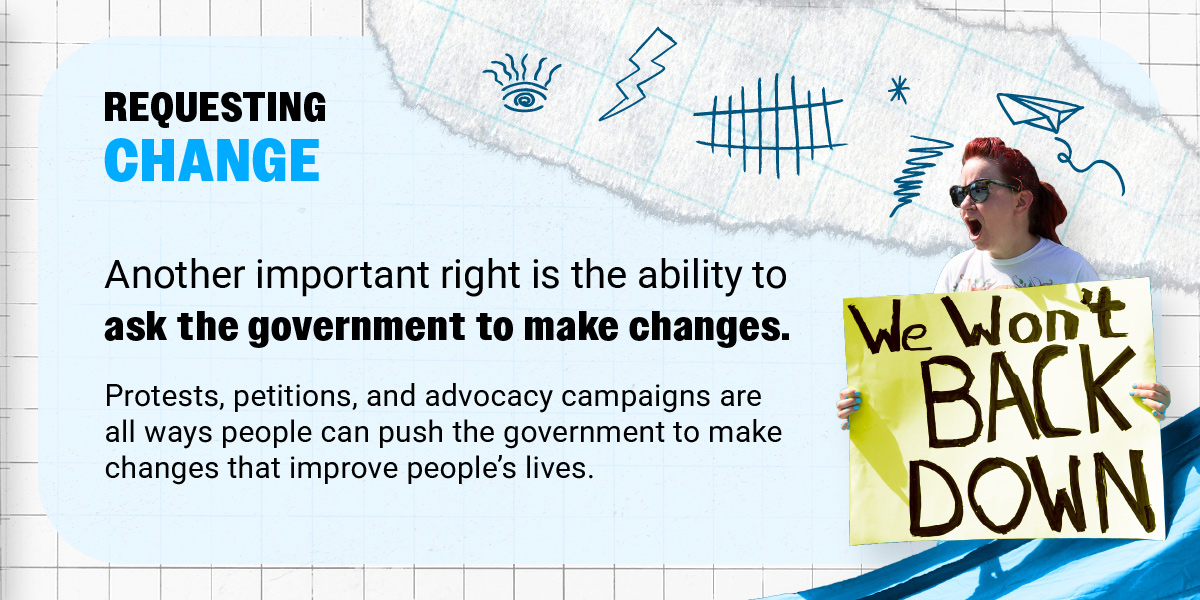
Another important right is the ability to ask the government to make changes.
Protests, petitions, and advocacy campaigns are all ways people can push the government to make changes that improve people’s lives.
Even though it is our right as Americans to protest and speak our mind, there are still some rules about when, where, and how protests happen to keep people safe and ensure public spaces stay accessible.
Where and How You Can Protest
While protesting is our right as Americans, it’s important to understand where protests are allowed and what rules you may need to follow to protest safely.
Public Spaces
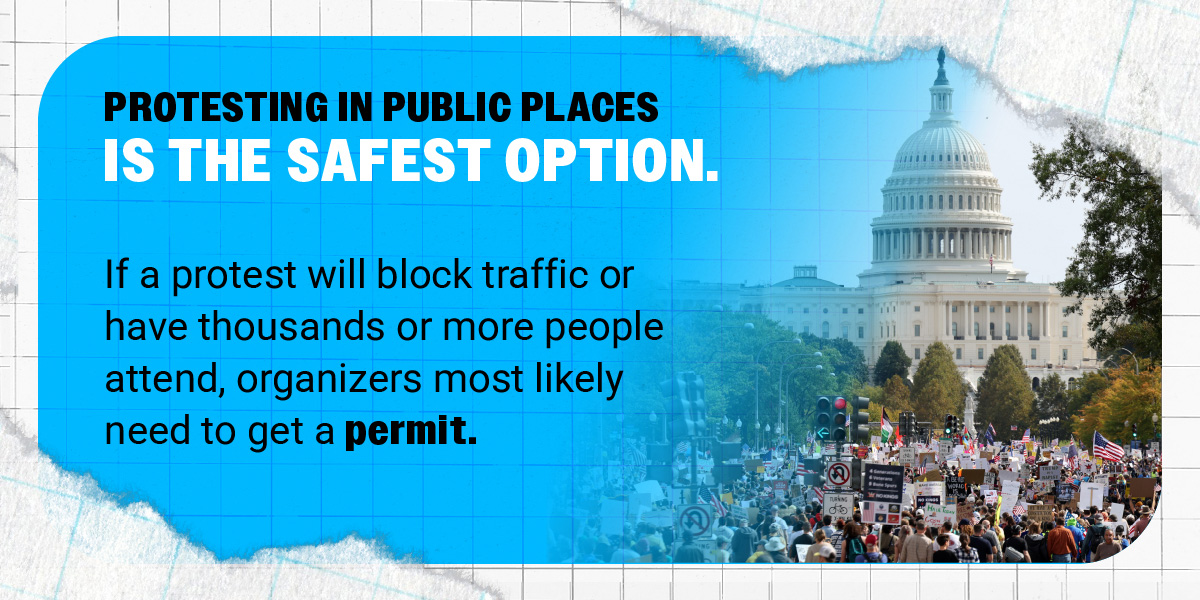
Protesting in public places is the safest option. Public spaces may include:
- Sidewalks
- Public parks
- Public plazas
- Town squares
In these public spaces, you can typically:
- Hold signs
- Chant or speak
- Hand out flyers
- Gather with others
While you are allowed to protest in public space, often, for big demonstrations, cities can create rules for protests and demonstrations to keep people safe. These rules are often called “time, place, and manner” rules.
“Time, place, and manner” rules may include:
- Don’t block building entrances.
- Don’t stop emergency vehicles.
- Follow traffic laws.
- Respect park closing times.
These rules apply to everyone equally, no matter what they’re protesting for.
Marches and Street Protests
Some protests include marches that move through streets, such as the Women’s March in 2016 and the No Kings protests throughout 2025 and 2026.
If a protest will block traffic or have thousands or more people attend, organizers most likely need to get a permit.
Protesting permits may be required for:
- Closing streets
- Using large stages
- Using sound systems or megaphones
- Hosting large gatherings
Permits help cities maintain safety and traffic control during large protests and demonstrations.
However, in a rapid and changing political climate and 24-hour news cycle, spontaneous protests can happen as a way to show policymakers that the people have power.
Can You Protest on Private Property?
Protest rights are different on private property.
Examples of locations that are considered private property where you could have a protest:
- Shopping malls
- Office buildings
- Corporate campuses
- Private plazas
Property owners have the right to ask protesters to leave. It’s important to know if someone refuses to leave a protest on a private property, they could be charged with trespassing.
When joining a protest, typically the organizer will let everyone know if the protest is on private property or not.
Being prepared can help you feel more comfortable and safe.
Plan Ahead Before Your Protest
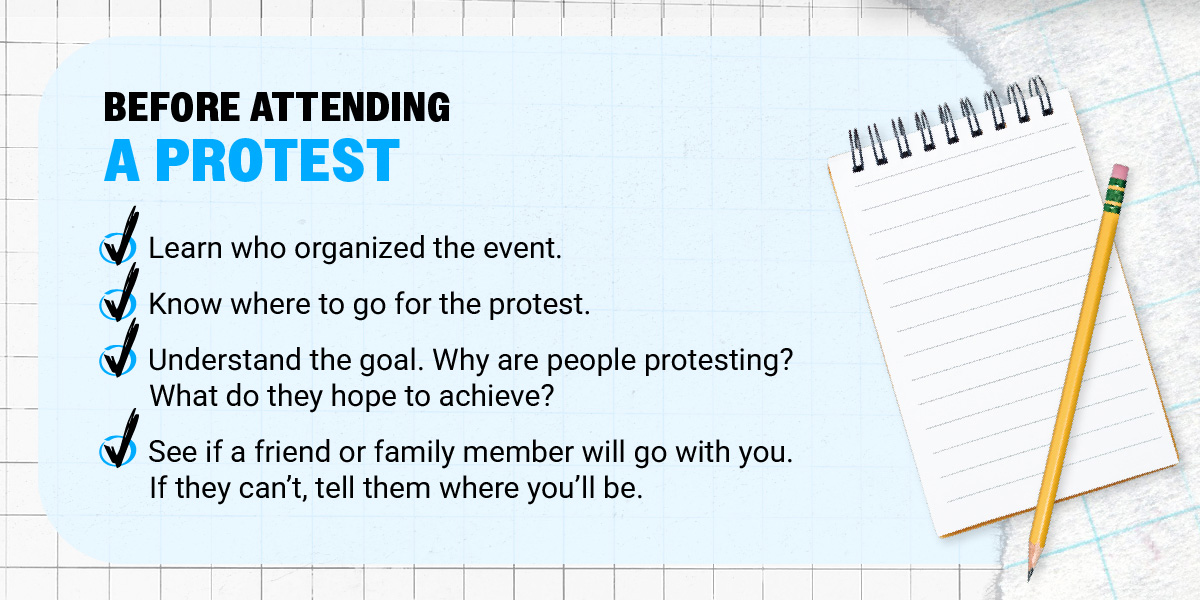
Before attending a protest:
- Learn who organized the event.
- Know where to go for the protest.
- Understand the goal. Why are people protesting? What do they hope to achieve?
- See if a friend or family member will go with you. If they can’t, tell them where you’ll be.
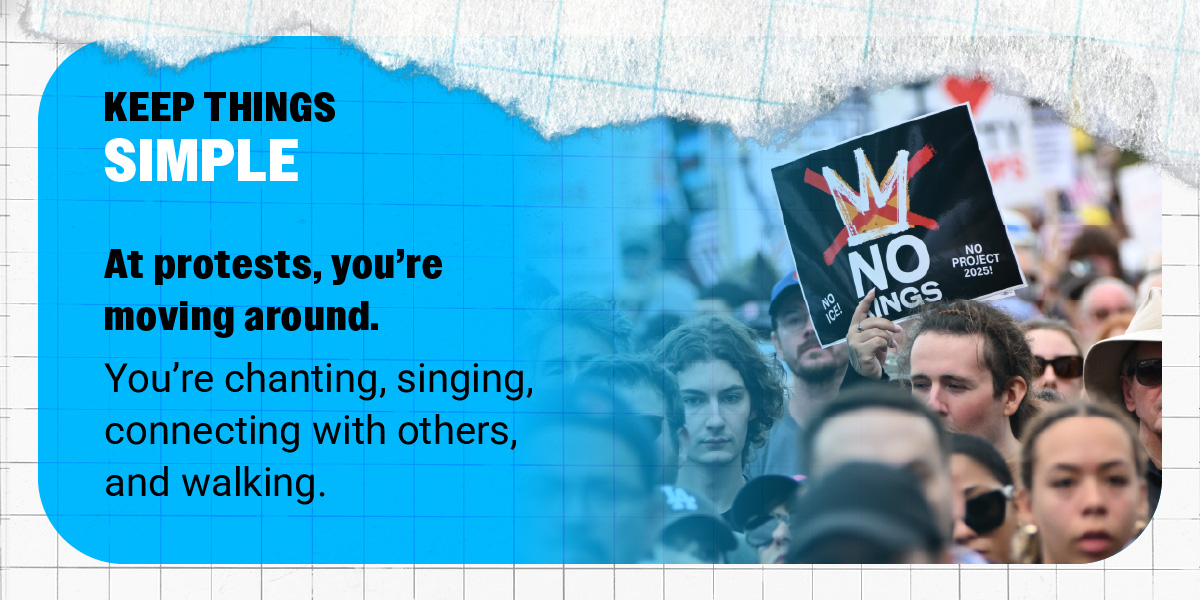
What To Bring to a Protest
Helpful things to bring to a protest:
- Water
- Snacks
- Comfortable shoes
- Weather-appropriate clothing
- Emergency contact information written down
- Masks
While protests are typically patriotic and energizing experiences, there is a level of uncertainty. Write an emergency contact’s information on a piece of paper to keep on you in case something happens to your phone.
What Not To Bring to a Protest
Do not bring:
- Expensive valuables
- Large bags with personal items
- Anything that could be mistaken for a weapon
Interacting with law enforcement
Sometimes, police officers are at protests, and it’s important to know what to do if you interact with law enforcement.
Your Rights at Protests
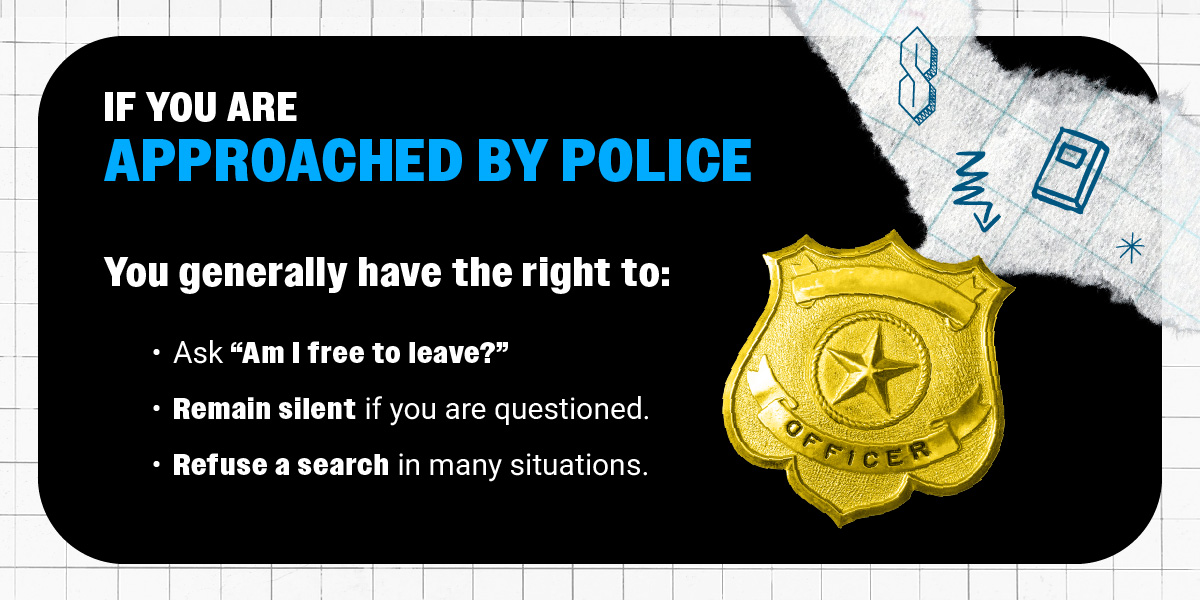
If You Are Approached by Police, You Generally Have the Right To:
- Ask “Am I free to leave?”
- Remain silent if you are questioned.
- Refuse a search in many situations.
If the officer says you are free to leave, you can calmly walk away.
Always stay calm when interacting with law enforcement officers.
During interactions with police, remember to:
- Stay calm.
- Speak clearly.
- Avoid sudden movements.
Even if you believe your rights are being violated, staying calm can help prevent the situation from becoming worse.
If You Are Stopped or Arrested at a Protest
Generally, most protests remain peaceful, but sometimes people can get confronted or arrested by the police.
What to do if you’re arrested
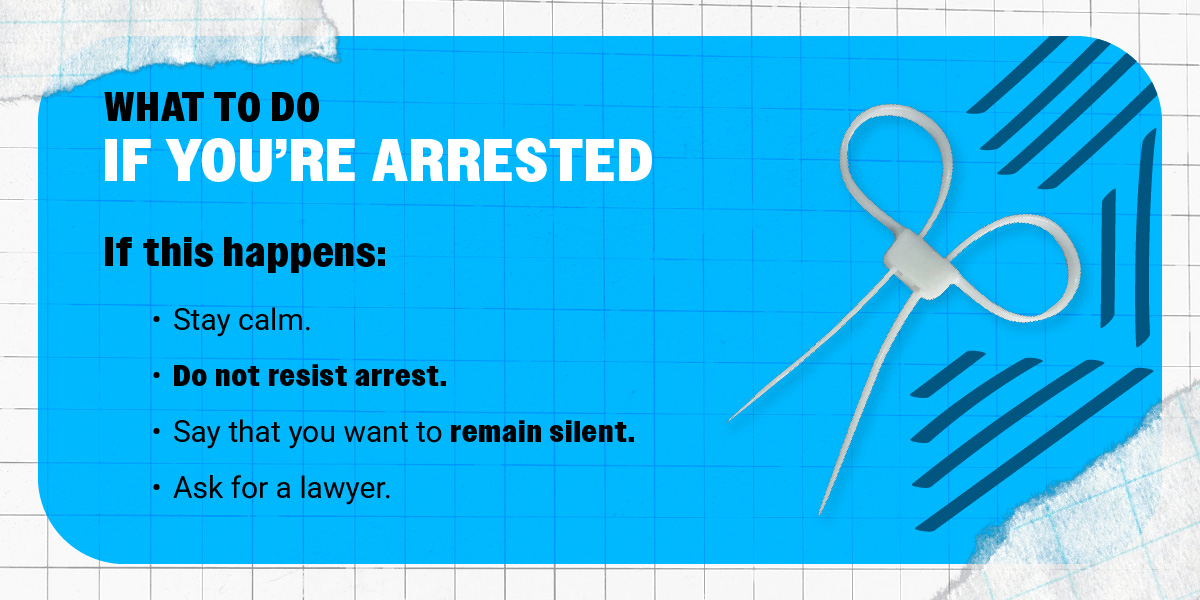
If this happens:
- Stay calm.
- Do not resist arrest.
- Say that you want to remain silent.
- Ask for a lawyer.
Resisting arrest can lead to additional charges. Do not resist arrest.
What Happens After an Arrest
If someone is arrested, they may go through a process called booking, which is when they’re taken to the police station and law enforcement takes your information, such as:
- Recording personal information
- Fingerprints
- Photographs
After the booking process, a person may be released, asked to pay bail, or given a court date.
The importance of documenting protests
Protests are worth documenting to show people how powerful they can be, but also it’s good to have evidence of what happens during them. You see creative signs, meet people who are aligned with your values, and watch the impact of collective action.
People Have the Right To Record in Public
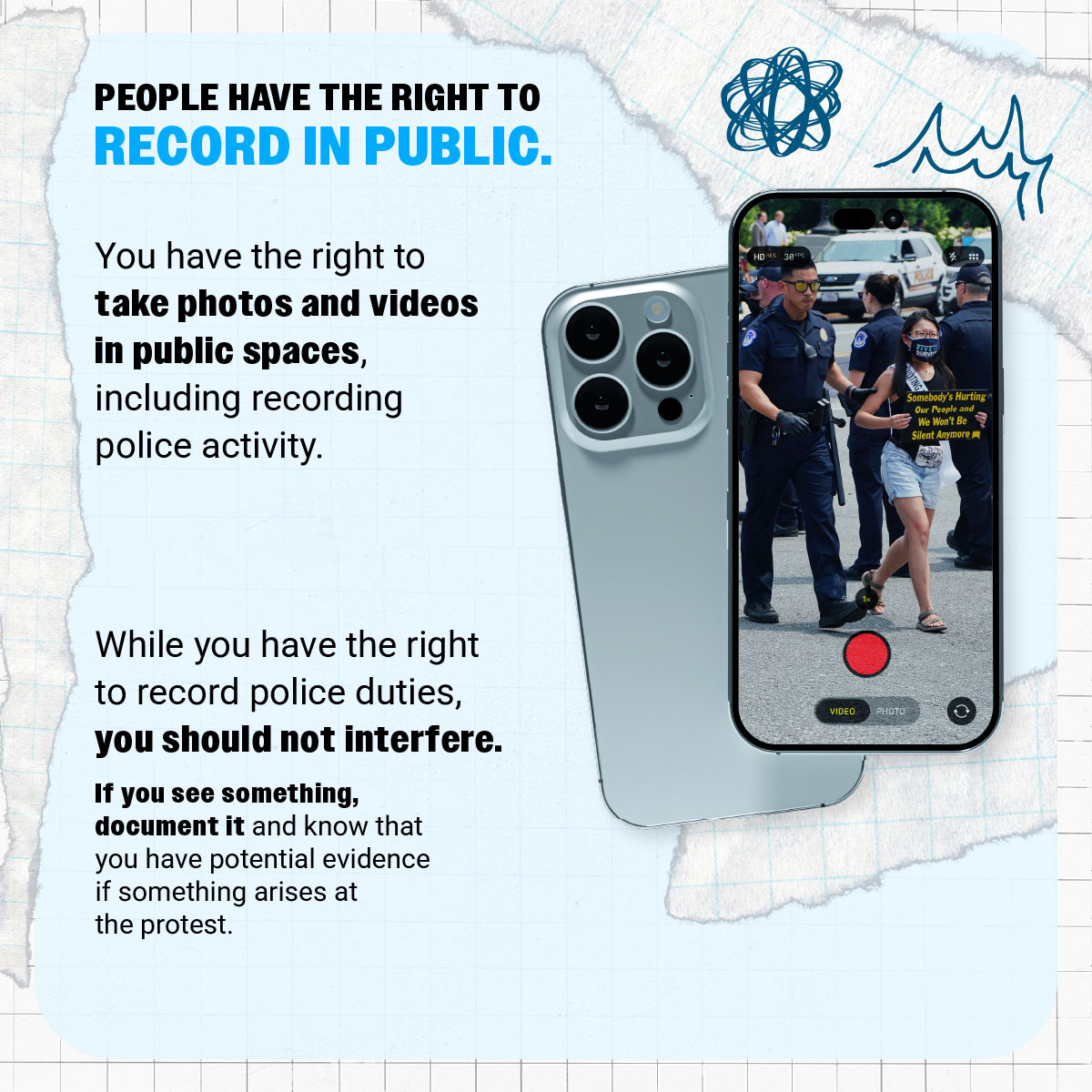
You have the right to take photos and videos in public spaces, including recording police activity.
While you have the right to record police duties, you should not interfere. If you see something, document it and know that you have potential evidence if something arises at the protest.
What is a legal observer?
Some protests include legal observers. These are trained volunteers who monitor events.
Legal observers are typically easy to spot because they wear something that lets protesters know their role. They’ll also take notes and record any arrests or incidents at a protest or demonstration. They are there to protect the rights of protesters and provide any evidence to help them do so if it’s needed.
Digital and Personal Safety During Protests
Today, many protests involve sharing pictures and videos to social media and digital communication, like texting attendees.
Protect your privacy during protests
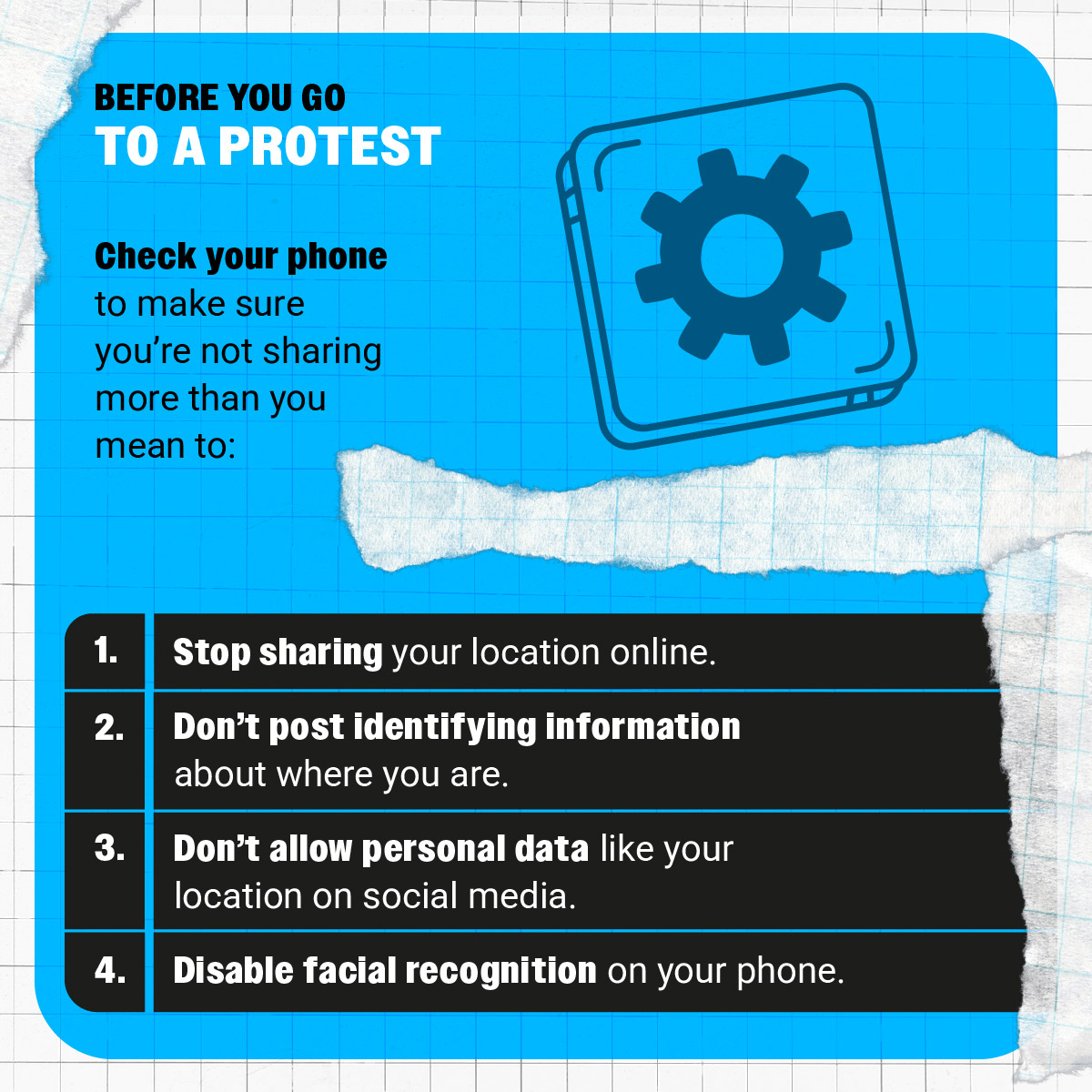
Before you go to a protest, check your phone to make sure you’re not sharing more than you mean to:
- Stop sharing your location online.
- Don’t post identifying information about where you are.
- Don’t allow personal data like your location on social media.
- Disable facial recognition on your phone.
Respect other people’s privacy during protests
While it’s important to document protests, always ask before you post anything to social media or send to others. Always avoid sharing details about someone without their consent. Even though people are practicing their right to protest, some people want to stay anonymous.
Knowing Your Rights During Protests Helps Support Your Community
It’s important to share your protesting rights knowledge with others, because it can help your community stay safe and help others feel confident and eager to show up for what’s right. When people understand and know their rights, it makes organizing and community building safer and more effective.
When we come together to speak out and raise awareness to push leaders to take action, we are helping make the world a better place.
In our next blog, we’ll learn about the importance of canvassing and how to canvass with others.
Print out our Know Your Rights zine to keep with you during protests.
Know Your Rights Checklist
Before attending a protest, review this quick checklist.
Before You Go
✔ Know the protest location and plan.
✔ Tell a trusted person where you’ll be.
✔ Bring water, snacks, and comfortable clothing.
✔ Write down an emergency contact number.
During the Protest
✔ Stay aware of your surroundings.
✔ Stick with people you trust.
✔ Follow safety instructions from organizers.
If You Interact With Police
✔ Ask if you are free to leave.
✔ You have the right to remain silent.
✔ You can ask for a lawyer if detained.
If You Record Events
✔ Recording in public spaces is usually allowed.
✔ Do not interfere with law enforcement.
✔ Respect the privacy of others.